Brickworth Estate

Private Management Review · 2026

Incorrect code — please try again

Private & confidential · Do not share

Overview
Properties
Scenarios
Market Data
Risks
The Plan
Bottom Line
Grade II Listed  ·  Built 1725  ·  Whiteparish, Wiltshire

BrickworthFarmhouse Estate

Brickworth Lane · Whiteparish · Salisbury · SP5 2QE

Five buildings. Three hundred years of history.
A genuine opportunity to build something extraordinary.

5
Buildings on site
14
Max guest capacity
£116–229k
Peak gross / year
£1.35m
Local market ceiling
Scroll
The Opportunity

A 300-year-old estate,
ready for its next chapter

Built in 1725 and historically part of the Trafalgar Estates, Brickworth Farmhouse is a Grade II listed Georgian farmhouse set in the village of Whiteparish — perfectly positioned between Salisbury, Southampton, and the New Forest National Park. Its listing describes Flemish bond brick construction, a tiled two-span roof, gable-end brick stacks, and an original entrance front with a six-panelled door. This is not a generic rural let.

What makes this a genuinely unusual opportunity is its mini-estate structure: a main house with an established identity as a premium group self-catering home sleeping up to 14, two self-contained cottages already trading, a two-bedroom lodge in good condition, and a garage building with long-term potential. Each unit can operate independently, creating a diversified income platform.

The walled garden, original flagstone kitchen floor, Aga, inglenook fireplace with Stovax wood-burner, three separate sitting rooms, and conservatory give this estate an atmosphere that cannot be replicated on a new-build site. That character is the core of every pound of premium it commands.

For someone at 19 taking on estate management, this is an extraordinary position to be in. It requires being completely clear-eyed about both what the opportunity offers and what it demands — which is precisely what this document sets out.
Listed Status
Grade II
Year Built
c. 1725
Main House Capacity
Up to 14 guests
TripAdvisor Rank
#1 in Whiteparish
Southampton Airport
20 minutes
Salisbury City
8 miles
Georgian red brick English farmhouse — representative of Brickworth's character
Georgian brick farmhouse character · Wiltshire countryside setting
The Buildings

Five buildings,
one estate

Each unit has a distinct identity and income potential. Figures below are grounded in verified SP5 comparables and current Wiltshire STR market data.
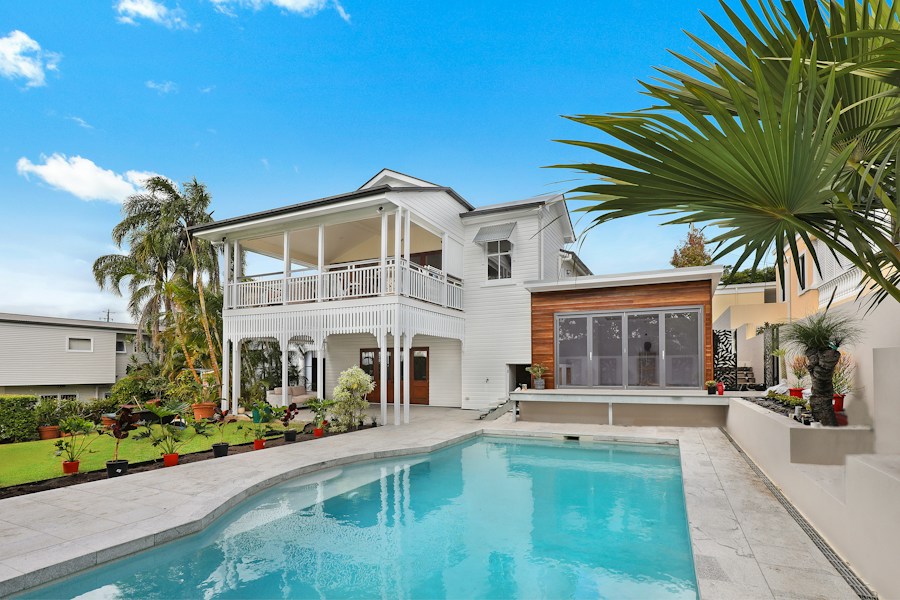
Brickworth Lodge 2-bedroom cottage Long-Term Recommended
Brickworth Lodge
2 Bedrooms · 1 Bathroom · 915 m² plot · Good condition
Private GardenGood ConditionFast-Start Ready915 m² Land

Documented as immediately lettable and in good condition — the fastest path to reliable revenue on the estate. A generous 915 m² of private land sets it apart from a typical terraced let, and the estate setting justifies a meaningful premium over comparable standalone cottages. Your anchor long-term tenancy unit: predictable income, low turnaround, minimal admin. Comparable to a refurbished 2-bed barn cottage in Hamptworth (SP5) marketed at £1,500 pcm, with clear uplift available given plot size and setting.

Long-Term (pcm)
£1,500–£1,900
£1,500 pcm SP5 barn anchor + plot/estate uplift
STR Annual Gross
£29,600–£43,700
ADR £115–£130 · 54–63% occupancy (Wiltshire data)
LT Annual Gross
£18,000–£22,800
Reliable, low-friction baseline
Phase 1 Action
Let on AST now
Test at £1,600 pcm and validate with viewings
Orchard Cottage — 1 bedroom, planned renovation STR / Long-Term Flexible
Orchard Cottage
Formerly "Brickworth Cottage" · 1 Bedroom · Rebrand + light refurb planned
Rebrand PlannedLight Refurb ScopeSTR PotentialOrchard Setting

The planned "Orchard Cottage" rebrand of Brickworth Cottage. Your renovation proposal scopes a light upgrade quoted at approximately £2,500 as a working figure — treat that as a placeholder until trades have produced a priced schedule. With a well-executed refurb and strong presentation, this 1-bed can target the same STR positioning as Bramble Cottage. The orchard setting differentiates it from generic rural lets. Comparable to a renovated 1-bed in Downton (SP5) let agreed at £850 pcm for long-term, with meaningful STR upside.

Long-Term (pcm)
£900–£1,150
£850 pcm Downton anchor + rural/estate uplift
STR Annual Gross
£22,700–£34,500
59% occupancy / £120 nightly (plan assumption)
LT Annual Gross
£10,800–£13,800
Predictable cashflow floor
STR vs LT Premium
~2× gross
Net depends on management model chosen
Bramble Cottage — 1 bedroom, already trading, 9/10 rating Active · 9/10 Rating
Bramble Cottage
1 Bedroom · Already trading · Booking.com 9.0 from 62 reviews
Live on Booking.com9.3/10 Location62 ReviewsWalk-in ShowerPicnic AreaFree Parking

The most validated unit on the estate. Already live on Booking.com, rated 9.0/10 from 62 reviews, guests citing easy access to Paultons Park, "lovely and quiet," and "beautiful little cottage not far from the New Forest." This is real market evidence — not projected demand, but a proven booking history. The existing reputation is an asset that needs protecting, not disrupting. A refreshed channel mix, dynamic pricing, and better photography could meaningfully improve revenue per available night without touching a single brick.
Long-Term (pcm)
£900–£1,150
Same bracket as Orchard Cottage
STR Annual Gross
£22,700–£34,500
Current trading base — optimise, don't reset
Live Reviews
62 reviews · 9.0
Booking.com — proven demand signal
Immediate Action
Optimise, don't change
Don't break what already works
Garage flat — owner occupation, ancillary building Owner Occupied
The Garage Flat
Flat above garage · Owner occupied (assumed) · 2007 planning history
Owner PlansAncillary Use2007 Planning Consent

The owner intends to occupy this unit, so it sits at £0 income in every scenario's base case. The 2007 planning approval for a "one-and-a-half storey" garage/garden store strengthens the outbuilding precedent at this address. If circumstances change and this unit becomes available, long-term potential is estimated at £850–£1,050 pcm. Any works here within the listed building curtilage context require careful consent planning first — do not assume permitted development applies.

Income (Base Case)
£0
Owner occupation — excluded from all scenarios
Potential if Available
£850–£1,050 pcm
Long-term; modest STR alternative
Planning Precedent
2007 consent
Garage/store — outbuilding precedent confirmed
Key Constraint
Curtilage listing
LBC required for any structural alterations
Income Modelling

Three scenarios,
honest figures

All figures are annual gross income before head-lease rent, platform fees, cleaning costs, and capital expenditure. The garage flat is excluded throughout. Every figure is grounded in verified SP5 comparables and published Wiltshire STR datasets.

🏡
Low-Hassle Long-Term
Stability over yield — the sensible starting point
£87.6k–£110.4k
Annual gross income
  • Brickworth Lodge (2-bed)£18k–£22.8k
  • Orchard Cottage (1-bed)£10.8k–£13.8k
  • Bramble Cottage (1-bed)£10.8k–£13.8k
  • Main Farmhouse (5-bed)£48k–£60k
  • Garage Flat£0
Lowest admin and operational overhead
Predictable monthly income — easy to forecast
No cleaning rotas, platform management or seasonal voids
Lowest gross ceiling of the three models
Renters' Rights Act (May 2026) removes Section 21 — tenant exit is harder
Recommended
⚖️
Hybrid Model
Outbuildings on long-term · Main house as group STR
£80.6k–£167.2k
Annual gross income
  • Lodge + Orchard + Bramble (LT)£39.6k–£50.4k
  • Main Farmhouse (group STR)£41k–£116.8k
  • Garage Flat£0
Stable income floor from long-term outbuildings
The farmhouse has an existing STR reputation — no cold start
Concentrates operational complexity into one unit
Real upside ceiling when the main house performs well
Main house group STR demands active management and changeover resource
Group let occupancy is more volatile than a single AST tenant
📈
Holiday-Let Heavy
Maximum gross — maximum work
£116k–£229k
Annual gross income
  • Lodge (2-bed STR)£29.6k–£43.7k
  • Orchard Cottage (1-bed STR)£22.7k–£34.5k
  • Bramble Cottage (1-bed STR)£22.7k–£34.5k
  • Main Farmhouse (group STR)£41k–£116.8k
  • Garage Flat£0
Highest gross ceiling by a significant margin
Every unit works independently — diversified demand
Requires full-time operation or management company (15–20% of gross)
FHL tax advantages abolished April 2025 — old models no longer apply
STR registration scheme incoming — England-wide framework in development
Business rates threshold: 70+ let nights triggers assessment
A note on net figures: All scenarios are gross. Platform fees run at 3–15% depending on fee structure. Professional management typically costs 15–25% of gross. Cleaning, linen, consumables, and utilities for STR units reduce net by a further £3,000–£8,000 per unit annually. The Furnished Holiday Lettings (FHL) tax regime was abolished in April 2025 — if any income model was built on FHL advantages (capital allowances, pension contributions, Business Asset Disposal Relief), those assumptions must be updated now.
Market Evidence

Grounded in real data

Every figure in this review is anchored to a verifiable comparable. Here is the complete evidence base — long-term lettings in SP5, short-term rental performance data for Wiltshire and Salisbury, and recorded sale values in the immediate postcode.

Long-Term Letting Comparables
SP5 postcode · verified sources · March 2026
PropertyLocationRate
5-bed detached cottageRomsey Rd, Whiteparish£4,500 pcm
5-bed detachedEast Grimstead SP5£3,800 pcm
4-bed family houseWhiteparish SP5£2,300 pcm
2-bed barn cottage (refurb)Hamptworth SP5£1,500 pcm
1-bed flat (renovated)Downton SP5£850 pcm

Sources: Rightmove SP5, Zoopla, PrimeLocation — March 2026

Short-Term Rental Market Data
Wiltshire & Salisbury · AirDNA / Airbtics
63%
Median occupancy
Wiltshire (Airbtics)
£128
Average daily rate
Wiltshire (Airbtics)
71%
Occupancy
Salisbury (Airbtics)
£115
ADR Salisbury
(Airbtics)
54%
Occupancy
Salisbury/Winchester (AirDNA)
£29k
Avg annual revenue
Wiltshire STR property

Sources: AirDNA Salisbury/Winchester; Airbtics Wiltshire Nov 2024–Oct 2025

Sale Value Anchors
SP5 2QE · HM Land Registry via Rightmove
PropertyDatePrice
Pepperbox House, Brickworth LnMay 2023£970,000
Paddock View, Brickworth FarmJul 2019£512,500
Barn End, Brickworth LaneOct 1997£435,000
6-bed Grade II, Brickworth Lane (live)Current£1,350,000

The £1.35m listing is Grade II, ~1.8 acres, annexe/cottage/barn mix — closest structural match to Brickworth as a full estate

Group-Let Comparables (Main House)
Wiltshire · groupaccommodation.com benchmarks
PropertyCapacityPricing
Large Wiltshire group home (nr Salisbury)Sleeps 20 · 8 bedsW/E £3,000
Week £5,000+
Brickworth Farmhouse (current)Sleeps 14 · 5 beds~£907/night
(RentByOwner)
Mid-size Wiltshire farmhouse compSleeps 12–14£400–£800/night
seasonal variance

Sources: groupaccommodation.com, brickworthfarmhouse.jimdo.com, RentByOwner

Broad Estate Value Range
£1.0m – £1.6m
Defensive lower bound to marketed upper ceiling in SP5 2QE
Recent Sale Anchor
£970k
Pepperbox House, Brickworth Ln (May 2023)
Market Ceiling (Active)
£1.35m
6-bed Grade II listed, Brickworth Lane (now)
Risk Register

Know the drawbacks
before you commit

This is a working document, not a sales brochure. Every material risk is assessed honestly below, with a mitigation note where one exists.

⚖️
Divorce & Ownership Uncertainty
Critical Risk
You are investing time, energy, and potentially capital into a property owned by parties in the process of divorce. Either party could trigger a forced sale at any point, contest a lease, or stop cooperating. A lease signed by only one owner may not bind both — particularly where the matrimonial home is involved. Court proceedings can freeze transactions. Any improvements you fund could become a dispute item. The timeline for resolution is entirely outside your control.
Both registered owners (or the legally authorised party with a court order) must sign the lease. Get written permission to sublet and operate STR. Negotiate any capital spend as a rent-free period, not out of your own pocket. Instruct a solicitor before any money changes hands — non-negotiable.
🏛️
Listed Building & Curtilage Consent
High Risk
Grade II listed status means any works affecting the character of the building or curtilage structures require Listed Building Consent, in addition to any standard planning permission. Permitted development rights are frequently removed for listed buildings. Planning decisions for listed building cases routinely exceed the standard 8-week target. Any unauthorised works are a criminal offence — the liability sits with the person who carried them out, not just the registered owner.
No physical works begin without the correct consents confirmed in writing. Build a consents roadmap before committing to any renovation budget. Read Historic England Advice Note 10 on curtilage structures before assuming any outbuilding is unaffected by the listing.
📋
Renters' Rights Act 2025 — In Force May 2026
High Impact · Immediate
The Renters' Rights Act received Royal Assent on 27 October 2025. Core provisions come into force on 1 May 2026. From that date: all ASTs convert to Assured Periodic Tenancies (rolling monthly); fixed-term tenancies are abolished; Section 21 "no-fault" evictions are banned; possession is only available via Section 8 grounds; rent increases are capped at once per year; landlords cannot request more than one month's rent in advance; and a mandatory PRS Database and Ombudsman are incoming. This fundamentally changes what it means to let property long-term in England.
Choose tenants carefully from the outset — exit is harder now. Ensure all new tenancies use the post-Act framework. Consider whether STR (outside the Act) gives you more operational flexibility for certain units. Take legal advice on any tenancy started before May 2026.
💷
FHL Tax Regime Abolished — April 2025
Medium · Affects STR Profitability
The Furnished Holiday Lettings regime was abolished from April 2025. This removes: capital allowances on furniture and equipment; rental income counting as "relevant earnings" for pension purposes; Business Asset Disposal Relief on sale; and favourable income-splitting between spouses. STR income is now taxed as ordinary property income, subject to the same finance cost restriction rules that have applied to buy-to-let landlords since 2020. Any model built on old FHL assumptions is materially wrong.
Rebuild all income/tax projections using the post-FHL regime. Get specific advice from a property tax adviser — the rules are nuanced and the structure of any income-sharing arrangement with the owner will matter significantly.
🏚️
Building Age & Heritage Maintenance Costs
Medium · Ongoing Cost Risk
A 300-year-old listed building in lime mortar, Flemish bond brick, with original roof structures and flagstone floors is beautiful — and expensive to repair correctly. Listed building status means you cannot substitute modern materials without consent, and specialist craftspeople charge a premium. Unexpected events (roof, drains, heating) on a building of this age can be significant. The lease must clearly state who is responsible for structural repairs and listed building compliance maintenance.
Commission a full building survey and schedule of condition before signing anything. Clarify repair obligations explicitly in the lease. Set aside a maintenance reserve of 5–8% of gross annual income — conservative but realistic for a building of this age and character.
🌿
EPC Requirements — 2030 Deadline
Medium · Capital Planning Required
The government has committed to requiring all privately rented homes to meet EPC rating C or better by 2030. A 300-year-old farmhouse may currently sit at EPC D or E. Bringing a Grade II listed building to EPC C is genuinely difficult — most standard insulation measures are not permitted under listing regulations. The intersection of EPC obligations and listed building constraints creates a compliance challenge that requires specialist advice and potentially significant capital in the 2026–2030 period.
Obtain current EPC certificates for all units now. Identify the gap to EPC C for each. Get advice on what is permissible within listed building constraints before planning any works. Factor improvement costs into your longer-term financial model — this is not a 2029 problem.
📱
STR Registration Scheme & Business Rates
Medium · Incoming Regulation
An England-wide STR registration scheme is in development under the Levelling Up and Regeneration Act 2023 framework. A self-catering property also faces business rates assessment (rather than council tax) if available for 140+ nights and actually let for 70+ nights in the past 12 months. Business rates exposure can significantly affect net profitability. Airbnb's fee structure has been updated for hosts using software integrations (February 2026), moving to a single host-only fee model.
Understand the business rates threshold before running any unit at full STR capacity. Register for the STR scheme when required. Review Airbnb's current fee guidance for the correct platform cost assumption in your income model.
🚗
Rural Accessibility & Tenant Pool
Medium · Affects Long-Term Letting
Whiteparish is a village with bus links to Salisbury and Southampton, but meaningful car dependency for daily life. For holiday guests this is a feature — for long-term tenants, it narrows the pool to those with vehicles and the means to run them. This particularly affects the one-bedroom units, where young professionals may be deterred by rural isolation and the cost of running a car to reach employment centres. Tenant quality and stability are partly a function of how well the location works for that person's actual lifestyle.
Target tenant profiles who genuinely want rural village life: remote workers, couples, young families. Confirm broadband speeds and advertise them clearly. EV charging is already available — market it to the right demographic. Honest presentation to the right audience beats volume viewings.
🔧
Operational Complexity at Scale
Personal Risk · Be Realistic
Managing a multi-unit estate whilst also working is a significant operational undertaking at any age — especially at 19 without an established trades network. Running Bramble Cottage as STR already demands: mid-week changeovers, linen logistics, maintenance response, guest communications, check-in coordination, platform management, and financial accounting. Multiply that across the full estate in holiday-let mode and you have a full-time operation that cannot be run from a phone. Underestimating this is the most common reason young property managers lose money in year one.
Start with Phase 1 (long-term, low-admin) and build operational capacity before scaling to STR. Identify a trusted local cleaner/caretaker before taking on any STR unit. Budget properly for management costs from day one — do not assume you can do everything yourself indefinitely.
Utility & Running Costs
Medium · Plan for It
A 300-year-old farmhouse with an Aga, wood-burners, and potentially older heating systems will have above-average energy costs. For STR, utilities are absorbed by the operator — heating a 5-bedroom farmhouse between October and April for guest changeovers is a real, recurring cost. Energy prices have stabilised from the 2022 peak but remain significantly above pre-2021 benchmarks. Utility costs across the estate in full STR mode could run to £12,000–£20,000 per year depending on occupancy and management approach.
Obtain actual utility bills from current operators for the last 12 months before finalising income projections. Identify whether solar or air source heat pump installations are permissible under the listing — renewable energy can materially change the long-term cost profile, though consent will be needed.
📅
Seasonal Demand Volatility
Lower Risk · Manageable
Holiday letting in Wiltshire is seasonal — peak demand runs May–September and over school holidays. The occupancy figures cited (54–71%) are annual averages: the peaks are higher and the troughs lower. The main farmhouse is somewhat protected by its group-let positioning — Christmas, New Year, and Easter are strong booking windows for family gatherings. A well-structured long-term revenue model accounts for void months in the STR calendar, especially for a rural property without a major city draw.
Use dynamic pricing tools (PriceLabs, Wheelhouse) to maximise yield in peak periods. Plan maintenance and deep-cleans in low-demand windows. Consider shoulder-season corporate retreats for the main house — they fill gaps between family bookings and tend to be lower-wear guests.
Recommended Approach

The phased plan

Given the divorce risk, the listed building complexity, and the operational scale of the estate, the right approach is measured, evidence-driven, and starts with income before spending a penny of capital.

Phase 1 · Weeks 1–8 · Fast Revenue, Minimum Risk
Secure the legal foundation and start earning
  • Both registered owners (or the legally authorised party with a court order) must sign the lease and any side letters — instruct a solicitor before any money changes hands. This cannot be shortcut.
  • The lease must include: a full schedule of condition; a clear dilapidations clause; agreed treatment of improvements (who pays, who owns fixtures on exit); and explicit written permission to sublet and operate STR where intended.
  • Negotiate any capital investment as a rent-free period rather than cash out of your own pocket — this protects you if the divorce sale accelerates unexpectedly.
  • List Brickworth Lodge on a long-term tenancy, noting the Renters' Rights Act transition to Assured Periodic Tenancy on 1 May 2026. Test the market at £1,600 pcm and validate with actual viewings before committing to a figure.
  • Do not disrupt Bramble Cottage — it is already trading, rated 9/10 from 62 reviews, and earning. Optimise it before changing anything. The first rule is to not break what already works.
  • Do the "estate looks cared for" work immediately: grounds tidy, access clear, signage, waste management, lighting. This is the cheapest reputational protection and the most visible signal to prospective tenants and guests.
Phase 2 · Months 2–5 · Measured STR Test
Test the STR model with one unit before scaling
  • Run one of the smaller units (Orchard Cottage post-refurb, or enhance Bramble's channel mix) as a controlled STR test whilst keeping at least one outbuilding on long-term for stable cashflow. Do not go all-in on STR across the estate before you understand your operational capacity.
  • Use the external benchmarks as a reality check throughout: at Wiltshire/Salisbury conditions (occupancy ~54–63%, ADR ~£115–£128), a good 1-bed can gross £22k–£35k annually — but you must net off platform fees, cleaning, and utility costs before drawing any conclusions.
  • Identify and retain a reliable local cleaner/caretaker before the first guest arrives. This relationship is foundational — losing it mid-season is a genuine operational crisis with no quick fix in a rural area.
  • Decide honestly whether you will self-manage or use a management company (typically 15–20% of gross). There is no right answer — only the answer that is honest about your time constraints. At 19 and working, be realistic.
Phase 3 · Months 3–12 · Main House Decision
Optimise the farmhouse — conversion only with full consent
  • The farmhouse is already positioned as a group self-catering home. The least-capex option is optimisation, not conversion: refresh photography, tighten the inventory list, improve the guest journey from enquiry to checkout, and price against group benchmarks — a weekend from £3,000 is a credible anchor for a local property of similar capacity.
  • Do not consider converting the farmhouse into flats until you have simultaneously: (a) a full consents roadmap from a planning consultant with listed building experience; (b) a priced scope from a specialist contractor; and (c) an agreed exit plan if the divorce sale accelerates before works complete. All three must exist at the same time.
  • Review actual income performance quarterly against the scenario benchmarks in this document. If Phase 1 and Phase 2 are at the low end of projections, do not escalate to Phase 3 spending.
Phase 4 · Year 2 onwards · Scale Deliberately
Build the operation before expanding it
  • With 12 months of actual data, you will have a genuine evidence base — not projections. Use that data to renegotiate any element of the lease or head-rent arrangement from a position of informed strength.
  • EPC compliance planning should begin in Year 1 — the 2030 deadline is sooner than it looks, and listed building retrofits take significant time to design, consent, and execute.
  • Consider whether a company structure makes sense at this income scale. Post-FHL abolition, the tax treatment of property income has changed, and proper structure advice is worth the cost once the model is proven and income is consistent.
Bottom Line

What the numbers say

These are the gross annual income ranges you can take into negotiation — grounded in verified comparables and not inflated. The garage flat is excluded throughout.

Long-Term Focus
£87.6k–£110.4k
Gross / year · Low hassle · Lodge + cottages + main house on AST · Simplified operations
Hybrid — Recommended
£80.6k–£167.2k
Gross / year · Outbuildings long-term · Main house group STR · Best risk / reward balance
Holiday-Let Heavy
£116k–£229k
Gross / year · Maximum gross · Maximum work · FHL benefits no longer apply · Full management required
This is a genuinely remarkable estate in a genuinely strong location, and at 19 years old you have been handed an opportunity that most people in property spend a decade working towards. That makes it worth protecting. The numbers support the opportunity — but only if the legal foundation is right, the divorce risk is documented and properly mitigated, and the operational plan is honest about your actual capacity right now. Start slow, prove the model with real data, and scale from a position of evidence rather than optimism. Brickworth has been standing for 300 years — it can wait eight weeks for you to do this properly.